预约演示
更新于:2026-09-02

Massachusetts Institute of Technology
更新于:2026-09-02
概览
标签
肿瘤
神经系统疾病
感染
小分子化药
寡核苷酸
腺相关病毒基因治疗
疾病领域得分
一眼洞穿机构专注的疾病领域

技术平台
公司药物应用最多的技术
靶点
公司最常开发的靶点
关联
靶点 |
作用机制 |
在研机构 |
原研机构 |
在研适应症 |
非在研适应症 |
最高研发阶段 |
首次获批国家/地区 |
首次获批日期 |

靶点 |
作用机制 |
在研机构 |
原研机构 |
在研适应症 |
非在研适应症 |
最高研发阶段 |
首次获批国家/地区 |
首次获批日期 |
靶点 |
作用机制 |
在研机构 |
原研机构 |
在研适应症 |
非在研适应症 |
最高研发阶段 |
首次获批国家/地区 |
首次获批日期 |

NCT07323446
8-Week Double-Blind, Randomized Controlled Study of N-Acetylcysteine and Neuroimaging in Children Ages 6-12 With Emotional Dysregulation

NCT07508722
Transcranial Ultrasonic Neuromodulation of Primary Visual Cortex and Primary Auditory Cortex in Humans
NCT07477028
Feasibility of Non-Invasive Detection and Preservation of Neurocognitive Signals in the Peri-Death Period Using Brain-Computer Interface and Artificial Intelligence: A Prospective Observational Study (NeuroCogPresv)

100 项与 Massachusetts Institute of Technology 相关的临床结果
登录后查看更多信息
登录后查看更多信息
2026-12-01BIOELECTROCHEMISTRY
Fumarate dramatically enhances biocurrent output in Shewanella-based bioelectrochemical system
Article
作者: Gu, Shenghan ; Roy, Arghyamalya ; Stavrinidou, Eleni ; Berggren, Magnus ; Méhes, Gábor ; Simon, Daniel T
Extracellular electron transfer (EET) is crucial in microbial energy-conversion technologies. However, broad application is hindered by insufficient charge transfer from microbes to electrodes. Fumarate, although should theoretically inhibit EET as a competing electron acceptor, was shown to moderately enhance EET in Shewanella oneidensis MR-1. In this work, a 50-fold increase in EET currents in the presence of 30 mM fumarate is demonstrated, leading to a 100-fold reduction in electrical resistance to biocurrents based on electrochemical impedance spectroscopy analysis. A fast decrease in currents following the depletion of fumarate and a rapid increase upon reintroducing fumarate revealed hitherto unreported EET dynamics. Through enzymatic assays, the ratio of electrons channeled from lactate metabolism into fumarate reduction and EET, and the concentrations of fumarate necessary for days-long high EET are determined. These new aspects promise to contribute to the development of more efficient microbial technologies without employing any genetic and even materials modifications.
2026-09-01ENVIRONMENTAL RESEARCH
Investigating the role of urban shade on ground-level ozone pollution in cities
Article
作者: Beuster, Lukas ; Ozberkman, Dila ; Ratti, Carlo ; Mora, Simone ; Dubey, Ravish
Ground-level ozone is a major urban pollutant posing increasing health risks. As cities reduce NOx emissions, ozone concentrations can temporarily increase due to reduced NO titration. This study investigates whether urban shade produced by buildings and trees is associated with street-scale ozone variability. Using high-resolution mobile air quality data and detailed shade modelling across Dublin and Hamburg, this study shows that increased shade coverage is consistently associated with lower ozone concentrations. To evaluate whether this relationship persists under comparable atmospheric conditions, a stratified contrast analysis was performed balancing observations on NO2, time of day, temperature, and wind speed. Across both cities, shaded locations exhibited lower ozone and total oxidant (Ox = O3 + NO2) concentrations, while matched NO2 differences remained small. This indicates that the observed ozone reduction is not readily explained by concurrent NO2 variation alone. The shade-ozone contrast was strongest under low wind conditions and attenuated under higher wind speeds, indicating sensitivity to atmospheric mixing. These findings highlight urban shade as a spatial factor associated with ozone heterogeneity at the street scale and motivate further work to evaluate its role alongside emissions and meteorology in shaping urban air quality.
2026-09-01METABOLIC ENGINEERING
Consumption of the degradation products of nylon 6 and nylon 6,6 as the sole carbon and nitrogen source by engineered Acinetobacter baylyi
Article
作者: Kheir Gouda, Mirna ; Voigt, Christopher A
Nylons (polyamides) are the second most-produced synthetic fiber globally, but they are not biodegradable and even their monomeric constituents are difficult for microbes to consume. The breakdown of nylon 6,6 and nylon 6 leads to a mixture of carbon/nitrogen monomers (adipic acid, AA; hexamethylenediamine, HMDA; 6-aminocaproic acid, 6-ACA) that are costly to separate for chemical valorization, are toxic to many bacteria, and for which no known species can consume all three as a mixture. Here, we metabolically engineer Acinetobacter baylyi ADP1 to simultaneously catabolize 6-ACA, HMDA, and AA. An in vitro assay is used to identify transaminases and aldehyde dehydrogenases to convert HMDA to 6-ACA to AA, which A. baylyi naturally consumes. Their genes are integrated into the genome and their expression tuned to optimize flux and overcome toxicity. The resulting strain grows on nylon 6 and nylon 6,6 hydrolysates as the sole source of carbon and nitrogen. AA is converted by A. baylyi to central metabolites (acetyl-coA, succinyl-coA) and this species is easily engineered, making it a potential bio-manufacturing platform for upcycling plastic waste. As a proof-of-principle, we demonstrate the production of the platform chemical triacetic acid lactone (TAL) using nylon-derived monomers as the substrates.
100 项与 Massachusetts Institute of Technology 相关的药物交易
登录后查看更多信息
100 项与 Massachusetts Institute of Technology 相关的转化医学
登录后查看更多信息
组织架构
使用我们的机构树数据加速您的研究。
登录
或
管线布局
2026年09月02日管线快照
管线布局中药物为当前组织机构及其子机构作为药物机构进行统计,早期临床1期并入临床1期,临床1/2期并入临床2期,临床2/3期并入临床3期
药物发现
10
31
临床前
临床1期
1
14
其他
登录后查看更多信息
当前项目
登录后查看更多信息
药物交易
使用我们的药物交易数据加速您的研究。
登录
或
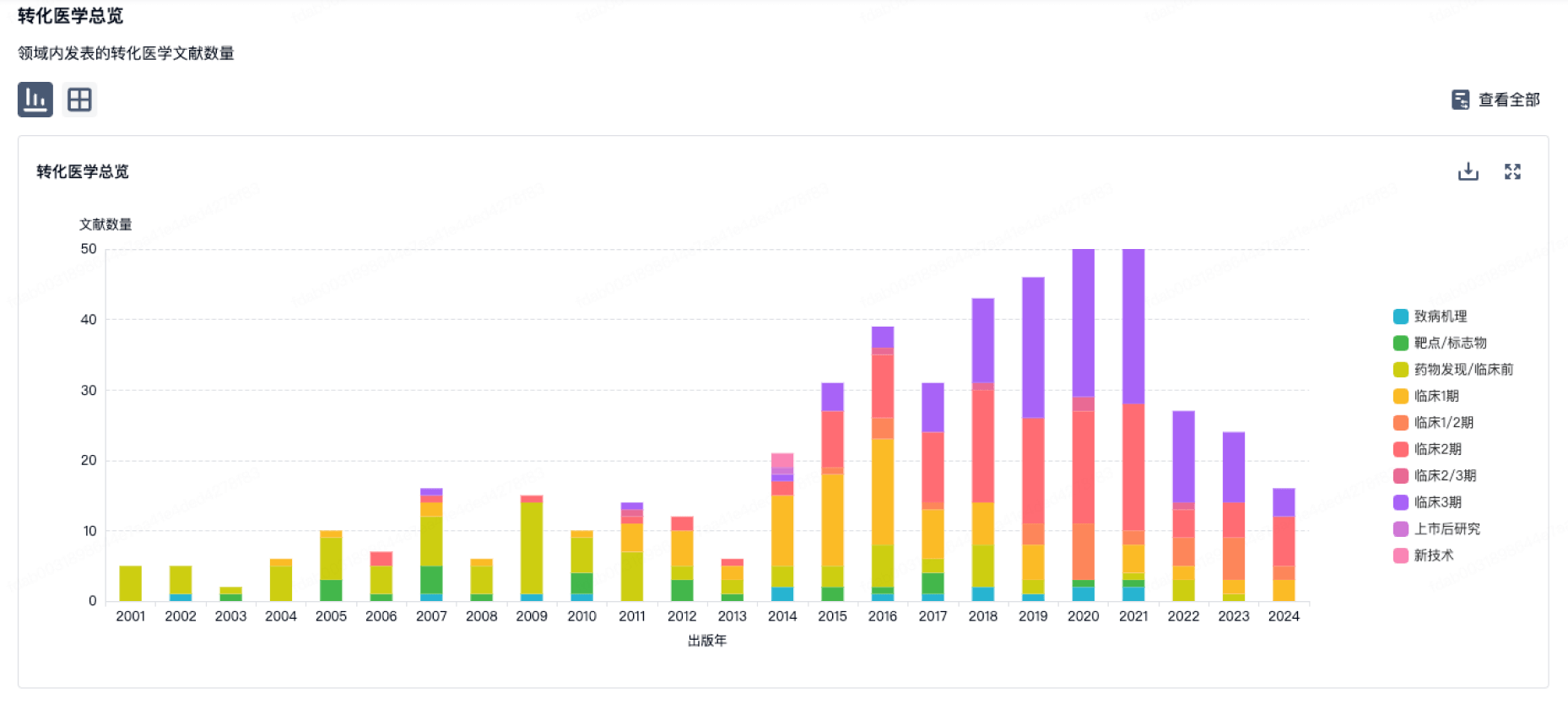
转化医学
使用我们的转化医学数据加速您的研究。
登录
或
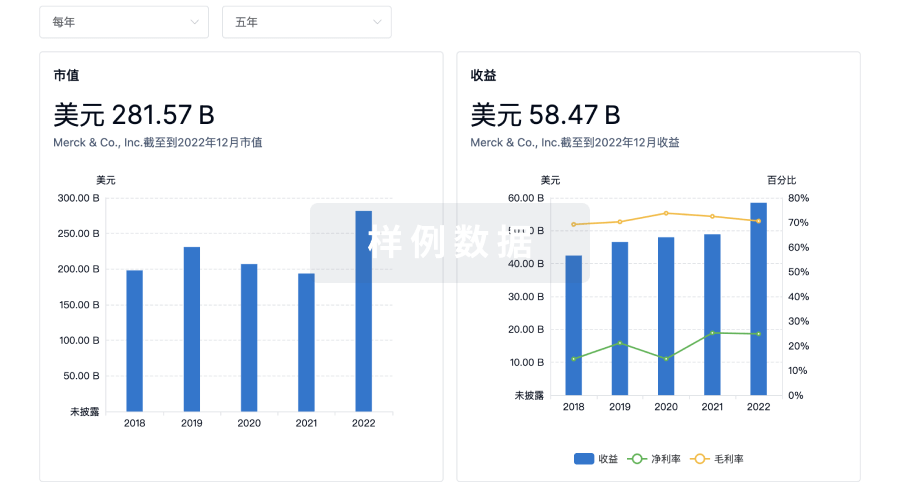
营收
使用 Synapse 探索超过 36 万个组织的财务状况。
登录
或
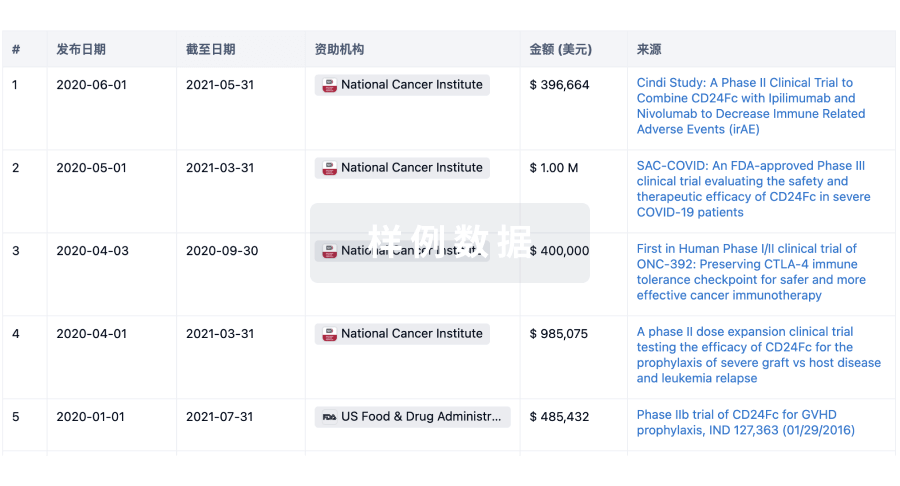
科研基金(NIH)
访问超过 200 万项资助和基金信息,以提升您的研究之旅。
登录
或
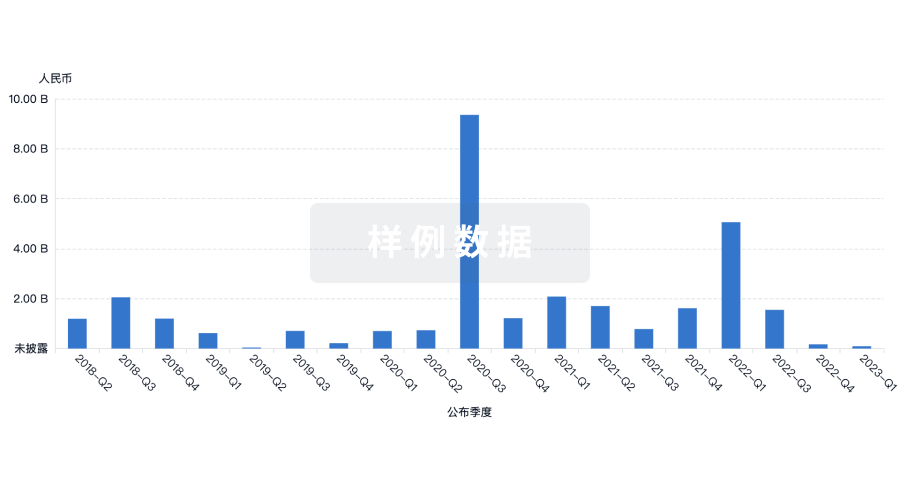
投资
深入了解从初创企业到成熟企业的最新公司投资动态。
登录
或
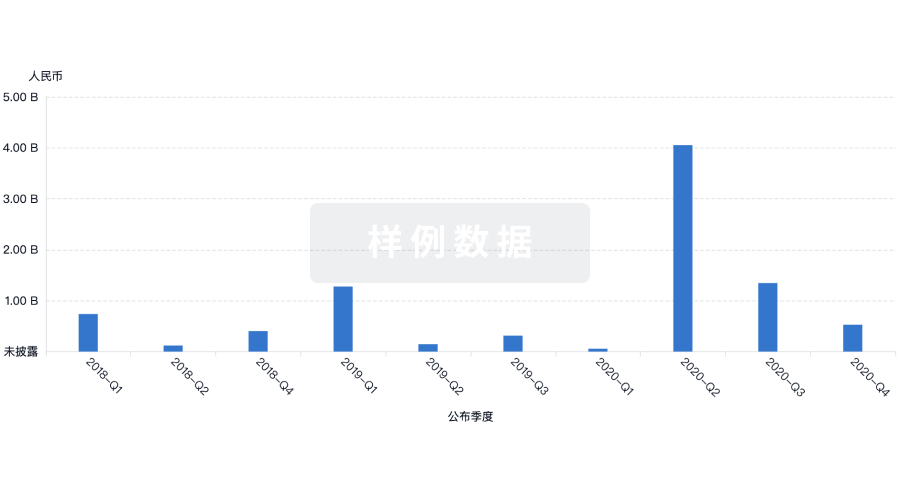
融资
发掘融资趋势以验证和推进您的投资机会。
登录
或
提出任何生物医药研究问题
让每一步生物医药决策都精准制胜
基于十亿级生物数据与全球情报的精准 AI,赋能早期药物发现
立即开始免费试用!
智慧芽新药情报库是智慧芽专为生命科学人士构建的基于AI的创新药情报平台,助您全方位提升您的研发与决策效率。
立即接入生物医药数据包
智慧芽新药库数据也通过智慧芽开放平台,以MCP或API服务形式对外开放。立即使用我们的MCP服务定制您的LLM智能体。
生物序列数据库
生物药研发创新
免费使用
化学结构数据库
小分子化药研发创新
免费使用