预约演示
更新于:2026-08-20

Amgen Ltd.
更新于:2026-08-20
概览
标签
肿瘤
皮肤和肌肉骨骼疾病
免疫系统疾病
单克隆抗体
双特异性T细胞结合器
疾病领域得分
一眼洞穿机构专注的疾病领域

技术平台
公司药物应用最多的技术
靶点
公司最常开发的靶点
关联
靶点 |
作用机制 |
在研机构 |
原研机构 |
在研适应症 |
非在研适应症 |
最高研发阶段 |
首次获批国家/地区 |
首次获批日期 |

靶点 |
作用机制 |
在研机构 |
原研机构 |
在研适应症 |
非在研适应症 |
最高研发阶段 |
首次获批国家/地区 |
首次获批日期 |
靶点 |
作用机制 |
在研机构 |
原研机构 |
在研适应症 |
非在研适应症 |
最高研发阶段 |
首次获批国家/地区 |
首次获批日期 |
NCT06967987
Open-label Non-randomized Multicentric Phase 2 Study Evaluating the Combination of Bemarituzumab + FLOT Chemotherapy in Perioperative Setting for Resectable Stage cT2-T4a or N+ Gastric and GEJ Adenocarcinoma Overexpressing FGFR2b
DRKS00012884
EU-Wide Cross-Sectional Observational Study ofLipid-Modifying Therapy Use in Secondary andPrimary Care DA VINCI - DA VINCI
ISRCTN75383472
A cross-sectional survey of the current management of secondary hyperparathyroidism in patients with end-stage renal disease undergoing dialysis in the UK NHS
100 项与 Amgen Ltd. 相关的临床结果
登录后查看更多信息
登录后查看更多信息
2026-07-14European Journal of Preventive Cardiology
Evolocumab treatment reduces carotid intima-media thickness in paediatric patients with heterozygous familial hypercholesterolaemia
Article
作者: Ruzza, Andrea ; Bridges, Ian ; Wiegman, Albert ; Mach, François ; Bhatia, Ajay K ; Gaudet, Daniel ; Stefanutti, Claudia ; Santos, Raul D ; Kastelein, John J P ; Wang, Bei ; Raal, Frederick J ; Hovingh, G Kees ; Luirink, Ilse K
Abstract:
Aims:
Children with heterozygous familial hypercholesterolaemia (HeFH) show greater carotid intima-media thickness (cIMT). Evolocumab, a proprotein convertase subtilisin/kexin type 9 inhibitor monoclonal antibody, substantially reduced LDL cholesterol (LDL-C) in children with HeFH. We investigated evolocumab’s effect on cIMT progression.
Methods and results:
HAUSER-RCT was a randomized, placebo-controlled trial. One hundred fifty-seven paediatric patients with FH (age: 10–17 years) and LDL-C > 130 mg/dL despite statin therapy received monthly evolocumab 420 mg or placebo for 24 weeks. Patients who continued into an open-label extension (OLE) (HAUSER-OLE; n = 150) received 80 weeks of monthly evolocumab plus statins. Carotid intima-media thickness was measured by B-mode ultrasound scanning of right and left common carotid artery at baseline; Week 24 of randomized controlled trial (RCT) (Day 1 OLE); and Weeks 24, 48, and 80 of OLE. Descriptive analysis of cIMT was a pre-specified HAUSER secondary endpoint, and inferential tests reported here were post hoc. One hundred fifty-one patients had evaluable cIMT summary scores at ≥ 1 visit. From RCT baseline to Week 24, mean cIMT increased by 0.006 mm (SD = 0.05) with placebo (n = 37) and decreased by 0.003 mm (SD = 0.05) with evolocumab (n = 76). From RCT baseline to OLE Week 80, mean cIMT summary score decreased by 0.019 mm (SD = 0.04) and 0.012 mm (SD = 0.05), respectively, in patients who initially received placebo (n = 34, P = 0.007) vs. receiving evolocumab throughout (n = 59, P = 0.067). Across patients who received evolocumab in OLE, mean cIMT significantly decreased by 0.011 mm (SD = 0.05) from OLE Day 1 to Week 80 (n = 94, P = 0.034).
Conclusion:
In children with HeFH, evolocumab plus statin treatment up to 104 weeks led to regression in carotid arterial wall thickening.
Registration:
ClinicalTrials.gov: NCT02624869
2026-04-01PHARMACOEPIDEMIOLOGY AND DRUG SAFETY
Methodological Challenges of Emulating a Target Trial to Assess Effectiveness of Timing of
PCSK9
Inhibitor Treatment Initiation Post Myocardial Infarction
Article
作者: Hagström, Emil ; Jukema, J. Wouter ; Brookhart, M. Alan ; Gustafsson, Stefan ; Briggs, Andrew ; Steg, Philippe Gabriel ; Chan, Queenie ; Gitt, Anselm ; James, Stefan ; Kent, Shia T. ; Dhalwani, Nafeesa ; Cars, Thomas ; Gale, Chris P. ; Sundström, Johan
ABSTRACT:
Background:
Studies comparing treatment strategies based on initiation timing—such as starting PCSK9 inhibitor (PCSK9i) therapy sooner versus later after a myocardial infarction (MI)—are prone to immortal time bias. Clone‐censor‐weight methods can address these issues and allow the researcher to emulate a trial in which patients are assigned to protocols dictating when PCSK9i is initiated. This study aimed to evaluate the comparability of patients in a clone‐censor‐weight setup who initiated a PCSK9i within 12 months post‐MI versus non‐initiators.
Methods:
We included adult patients hospitalized for MI in Sweden (2015–2021) and followed them for 3 years. We considered two treatment strategies: initiating PCSK9i within 12 months versus not initiating PCSK9i during the same period. We applied the clone‐censor‐weight method to address immortal time bias and assessed remaining bias using covariate balance metrics and negative control outcomes.
Results:
The primary study sample included 38 627 episodes of MI, with 561 (1.5%) initiating PCSK9i treatment within 12 months. These patients were younger, had higher baseline LDL‐C levels, and were more frequently treated with ezetimibe during their post‐MI follow‐up compared to non‐initiators. Although clone‐censor‐weight estimation was free of immortal time bias, it faced challenges in achieving adequate balance of covariates due to the high rates of censoring (relatively small number of people initiating a PCSK9i in the first year) and strong association between covariates and censoring. Truncation of weights provided more stable estimates but at the expense of some covariate imbalances.
Conclusions:
The clone‐censor‐weight method is a promising approach that allows researchers to answer questions about the effect of treatment policies. But practical guidance is needed to address problems that arise from small, highly imbalanced groups, which is common with most newly introduced treatments.
2025-11-01LUNG CANCER
Evaluating docetaxel effectiveness in KRAS G12C-mutated NSCLC: insights from a Real-World cohort
Article
作者: Tzala, Lia ; Persigehl, Thorsten ; Siebolts, Udo ; Buettner, Reinhard ; Scheffler, Matthias ; Potzner, Michaela ; John, Felix ; Rasokat, Anna ; Kron, Anna ; Wolf, Jürgen ; Ruge, Lea ; Gehrman, Julia ; Louie, Karly ; Lennartz, Simon ; Öhrling, Katarina ; Merkelbach-Bruse, Sabine
BACKGROUND:
Specific KRAS G12C inhibitors have reached the stage of targeted therapy for non-small cell lung cancer (NSCLC). However, there is a dearth of real-world data in the context of immune checkpoint blockade and docetaxel effectiveness in NSCLC patients with KRAS G12C mutations. This study was designed to address this gap in knowledge by analyzing a real-world cohort of patients with KRAS G12C mutations treated with docetaxel in the era of immune-checkpoint-blockade availability.
PATIENTS AND METHODS:
The Network Genomic Medicine (NGM) database was queried to identify patients with KRAS G12C mutations who had been treated with docetaxel monotherapy or combinations between July 1st, 2015, and December 31st, 2019.
RESULTS:
The median rwOS was 7.6 months (95 % CI: 6.5-14.5), with improved outcomes observed for docetaxel plus nintedanib (10.4 months) compared to docetaxel monotherapy (6.5 months). The rwPFS was 3.4 months overall, with combination therapy showing marginally superior efficacy (4.3 vs. 2.2 months). The presence of concomitant mutations in STK11 and KEAP1 was associated with inferior outcomes, whereas elevated PD-L1 expression was associated with enhanced rwOS. Notably, the inclusion of patients with ECOG 2 or higher underscored the unfavorable outcomes observed in this subgroup, which is typically excluded from pivotal trials.
CONCLUSION:
The effectiveness of docetaxel, administered with or without antiangiogenic agents, was found to be limited in a real-world setting of non-small cell lung cancer (NSCLC) patients with a KRAS G12C mutation, emphasizing the need for novel therapies. Comprehensive molecular profiling remains crucial for optimizing treatment outcomes in this heterogeneous subgroup.
100 项与 Amgen Ltd. 相关的药物交易
登录后查看更多信息
100 项与 Amgen Ltd. 相关的转化医学
登录后查看更多信息
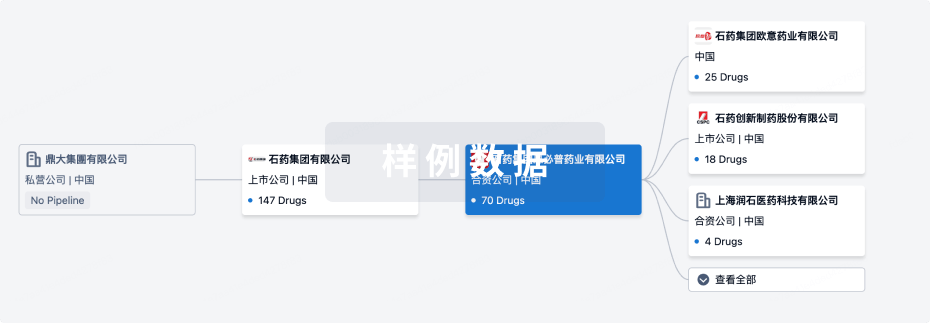
组织架构
使用我们的机构树数据加速您的研究。
登录
或
管线布局
2026年09月02日管线快照
管线布局中药物为当前组织机构及其子机构作为药物机构进行统计,早期临床1期并入临床1期,临床1/2期并入临床2期,临床2/3期并入临床3期
批准上市
4
1
其他
登录后查看更多信息
当前项目
登录后查看更多信息
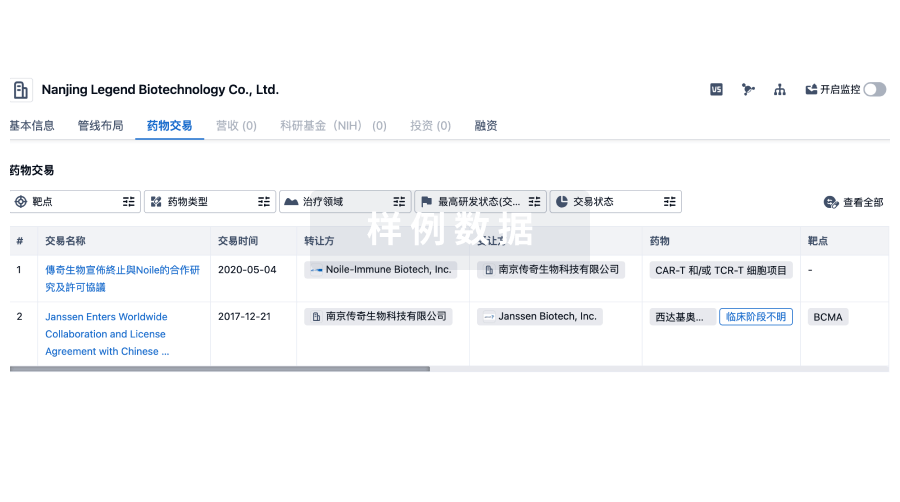
药物交易
使用我们的药物交易数据加速您的研究。
登录
或
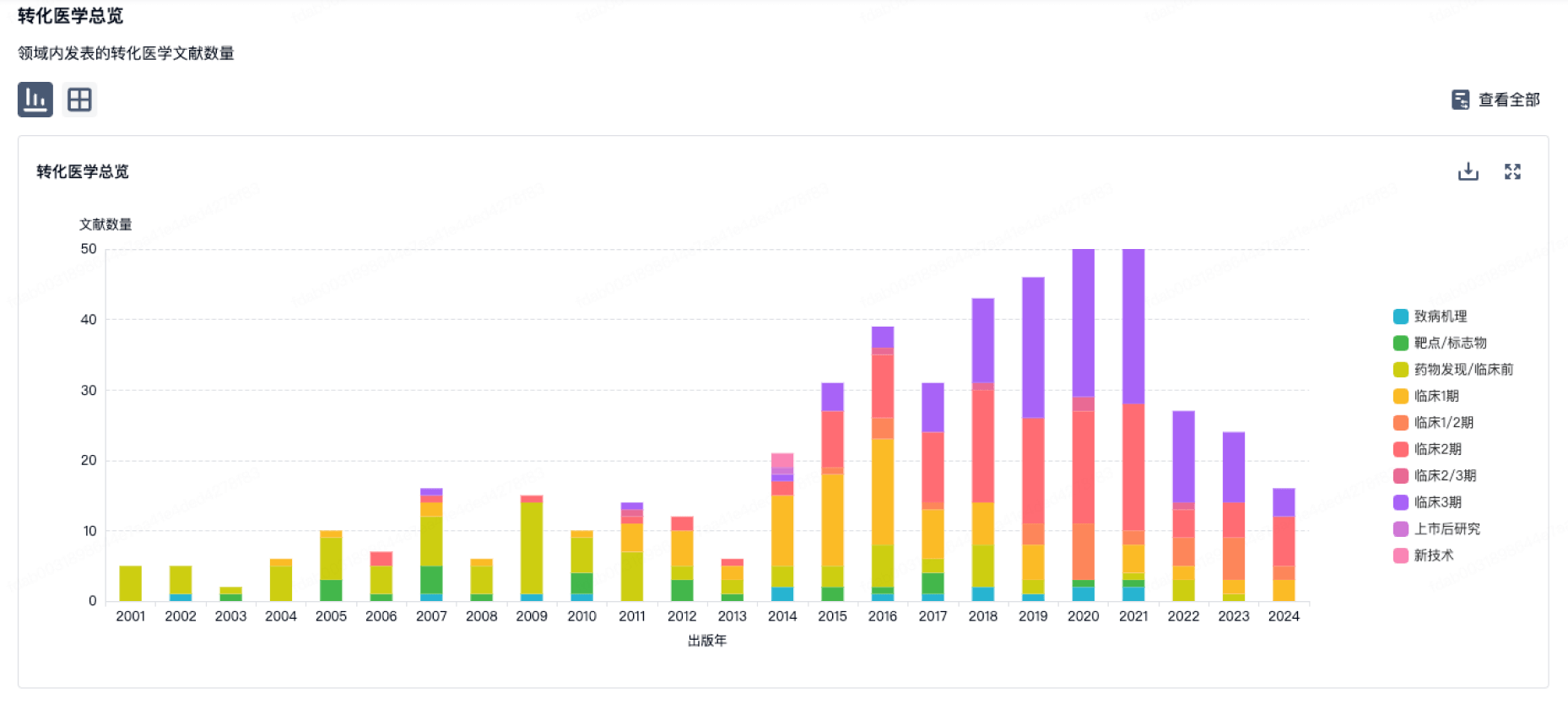
转化医学
使用我们的转化医学数据加速您的研究。
登录
或
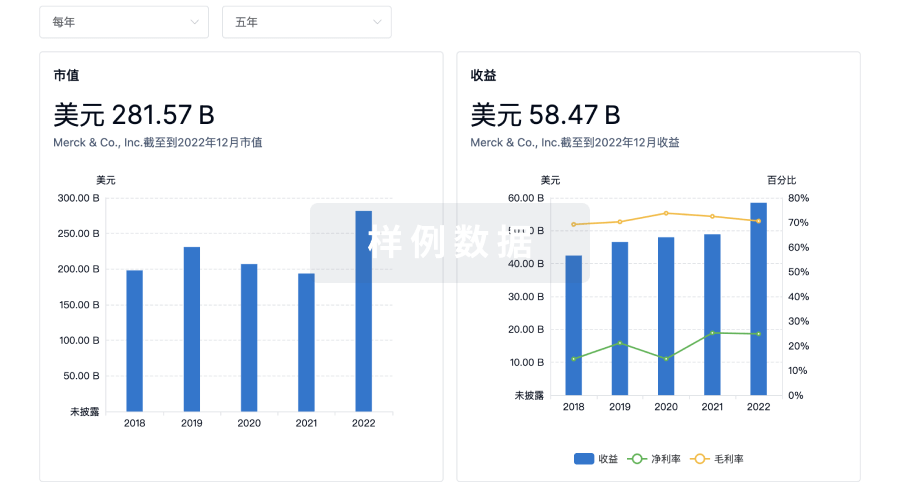
营收
使用 Synapse 探索超过 36 万个组织的财务状况。
登录
或
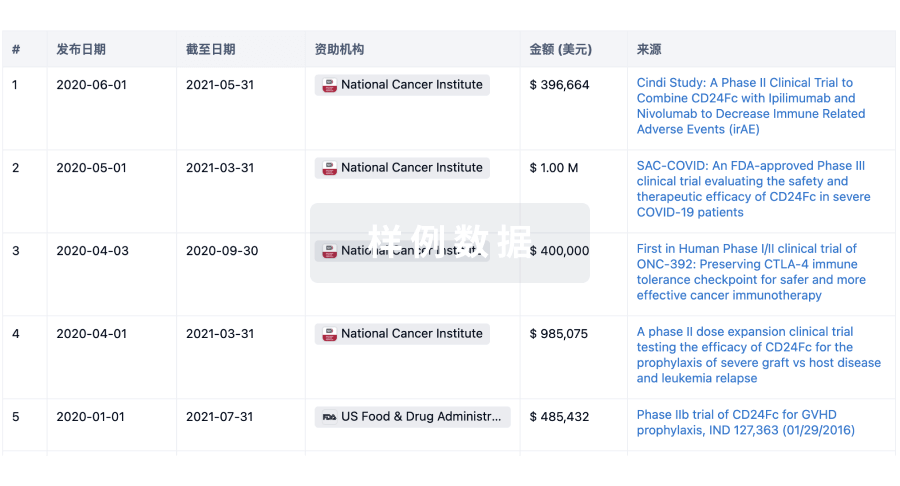
科研基金(NIH)
访问超过 200 万项资助和基金信息,以提升您的研究之旅。
登录
或
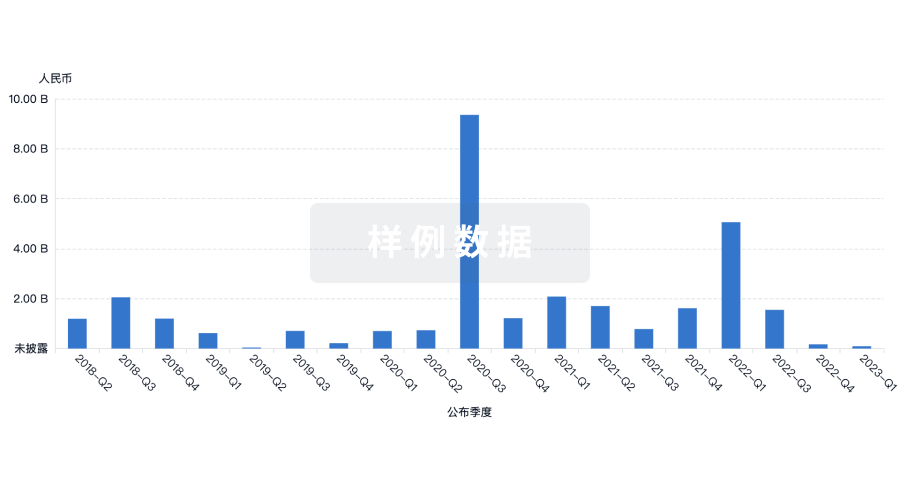
投资
深入了解从初创企业到成熟企业的最新公司投资动态。
登录
或
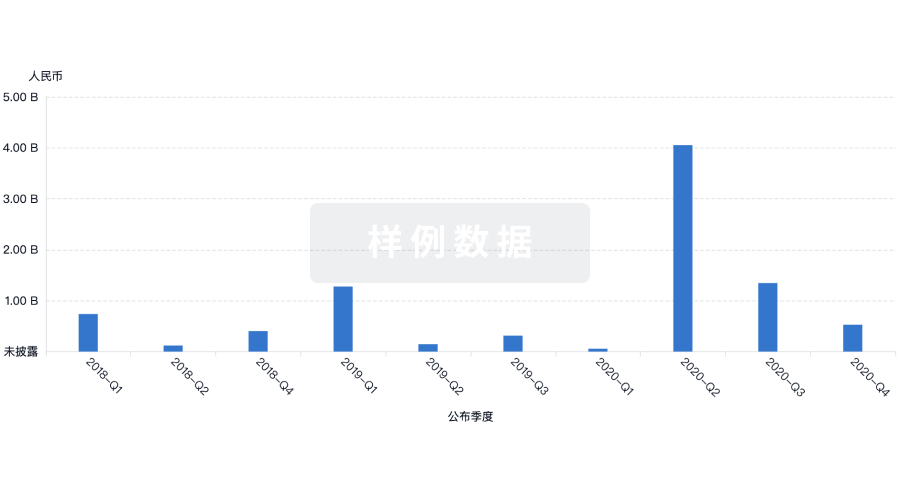
融资
发掘融资趋势以验证和推进您的投资机会。
登录
或
提出任何生物医药研究问题
让每一步生物医药决策都精准制胜
基于十亿级生物数据与全球情报的精准 AI,赋能早期药物发现
立即开始免费试用!
智慧芽新药情报库是智慧芽专为生命科学人士构建的基于AI的创新药情报平台,助您全方位提升您的研发与决策效率。
立即接入生物医药数据包
智慧芽新药库数据也通过智慧芽开放平台,以MCP或API服务形式对外开放。立即使用我们的MCP服务定制您的LLM智能体。
生物序列数据库
生物药研发创新
免费使用
化学结构数据库
小分子化药研发创新
免费使用