预约演示
更新于:2026-09-03
Florquinitau F18
更新于:2026-09-03
概要
基本信息
最高研发阶段批准上市 |
首次获批日期 美国 (2026-08-13), |
最高研发阶段(中国)临床3期 |
特殊审评快速通道 (美国) |








登录后查看时间轴
结构/序列
分子式C16H11FN4 |
InChIKeyKAXAUWZJVWGFDO-SJPDSGJFSA-N |
CAS号1841444-25-4 |
关联
32
项与 Florquinitau F18 相关的临床试验NCT06600880
Neuronavigation-guided Focused Ultrasound-induced Blood-brain Barrier Opening in Alzheimer's Disease Patients and Its Effects on Brain Amyloid and Tau

NCT07758660
Alzheimer's Disease Research Center PET Component
NCT06999434
Exploring the Utility of [18F]3F4AP for Demyelination Imaging

100 项与 Florquinitau F18 相关的临床结果
登录后查看更多信息
100 项与 Florquinitau F18 相关的转化医学
登录后查看更多信息
100 项与 Florquinitau F18 相关的专利(医药)
登录后查看更多信息
115
项与 Florquinitau F18 相关的文献(医药)2026-07-08ArXiv
Feynman-Kac Reweighted Schrödinger Bridge Matching for Surface-based Tau PET Harmonization.
Article
作者: Yue, Jiaxin ; Zhang, Jianwei ; Nie, Xinyu ; Shi, Yonggang
Tau positron emission tomography (PET) is widely used for the in vivo characterization of disease stage and progression in Alzheimer's disease (AD). With the adoption of multiple tau PET tracers including AV-1451, PI-2620, MK-6240 with different binding behaviors in various large-scale studies, there is a great need of effective harmonization methods to enable the cross-tracer integration of tau PET datasets. While previous methods such as CenTauR were proposed to standardize scalar tau PET measures, they are limited in accounting for the heterogeneity of tau pathology. In this work, we propose Feynman-Kac Reweighted Schrödinger Bridge Matching (FKRSBM), a surface-based framework for cross-tracer tau PET harmonization. FKRSBM learns a direct stochastic transport between tracer domains using Schrödinger Bridge matching, avoiding the Gaussianprior routing used in diffusion-based translation. To promote biologically consistent transport, FKRSBM introduces an endpoint penalty favoring bridge pairings with matched tau-pathology status and implements it through a Feynman-Kac reweighted endpoint proposal. To preserve cortical organization, FKRSBM uses a spherical convolutional network for vertex-level harmonization on cortical surface meshes. In our experiments, we demonstrate our method by harmonizing Tau PET images acquired with the AV-1451 (n=1480) and PI-2620 (n=2458) tracers from two large-scale datasets. Compared to previous methods including ComBat, CycleGAN, Diffusion Model(DF), and unregularized Schrödinger Bridge Model(DSBM), the proposed FKRSBM method outperforms these baselines in subgroup-level alignment, tau-positivity consistency, and diagnostic classification while preserving subject-specific cortical topography of tau pathology. The code is available at: https://github.com/jianweizhang17/FKRSBM.
2026-05-01LANCET
Comparison of [18F]flortaucipir and [18F]MK6240 for the detection of tau pathology in Alzheimer's disease (HEAD): a multicentre, prospective, cross-sectional, within-participant study
Article
作者: Tissot, Cécile ; Foroud, Tatiana ; Singer, Juli ; Masdeu, Joseph C. ; Tate, Victoria ; Chan, Tevy ; Vitali, Paolo ; Stevenson, Jenna ; Pascoal, Tharick A ; Jia, Wan Lu ; Gordon, Brian A ; Mroué, Rayan ; Gray, Danielle ; Lukasewicz Ferreira, Pamela ; Bauer-Negrini, Guilherme ; Povala, Guilherme ; Rocha, Andréia ; Hu, Xiaoyang ; Jagust, William J ; Avdagic, Selma ; Medeiros, Marina S. ; Tudorascu, Dana L ; de Oliveira Franco, Álvaro ; Tuma, Raphael L. ; Fonov, Vladimir ; Leffa, Douglas T. ; Bellaver, Bruna ; Baker, Suzanne ; Tsai, Hsin-Yeh ; Gordon, Brian A. ; Amaral, Livia ; Aguzzoli, Cristiano S. ; Klostranec, Jesse ; Tudorascu, Dana L. ; Provost, Karine ; Fortea, Juan ; Tissot, Cecile ; Rodrigues, Matheus S. ; Cummings, Emerine ; Saha, Pampa ; Baker, Suzanne L. ; Masdeu, Joseph C ; Rahmouni, Nesrine ; Rocha, Andreia ; Lowe, Val ; Lussier, Firoza Z. ; Pascual, Belen ; Ruppert, Emma ; Montembault, Maxime ; Ferreira, Pamela C L ; Lussier, Firoza Z ; Soares, Carolina ; Medeiros, Marina S ; Soleimani-Meigooni, David N ; Cohen, Ann D. ; Rosa-Neto, Pedro ; Soleimani-Meigooni, David N. ; Iturria-Medina, Yasser ; Toga, Arthur W. ; Oh, Hwamee ; Pascoal, Tharick A. ; Oliveira, Markley S.
BACKGROUND:
Tau PET imaging has emerged as a critical biomarker for Alzheimer's disease, informing diagnosis, staging, and therapeutic selection. We investigated whether PET tracer selection alters tau detection.
METHODS:
We conducted a prospective, multicentre, non-randomised, within-participant comparison of [18F]flortaucipir (Tauvid), currently used in clinical settings in the USA and Europe, and [18F]MK6240, an investigational tau PET tracer. Participants were recruited from eight north American sites and underwent tau PET, amyloid-β (Aβ) PET, and detailed cognitive assessments. Tau PET with both agents was acquired within a 45-day window. Coprimary outcomes were the discriminative accuracy for Alzheimer's disease-related cognitive impairment and the frequency of tau positivity in early medial temporal lobe (MTL) and late neocortical regions. The study is registered with ClinicalTrials.gov, NCT05361382.
FINDINGS:
Between March 2, 2022, and Aug 27, 2025, 775 individuals were enrolled, with 682 completing all procedures (373 [55%] female, 309 [45%] male; 38 [6%] aged 19-27 years, 214 [31%] aged 50-65 years, and 430 [63%] aged 65-89 years). 32 (5%) participants identified as Hispanic or Latino. 637 (93%) identified as White, 24 (4%) as Black or African American, 16 (2%) as Asian, and five (1%) as other. In addition, 49 (7%) individuals were identified as being from a rural area. [18F]MK6240 showed greater accuracy than [18F]flortaucipir in distinguishing Alzheimer's disease from non-Alzheimer's disease impairment (area under the curve 0·93, 95% CI 0·89-0·95 vs 0·86, 0·75-0·91; p<0·0001). Among the older adults, tau positivity status was concordant in 560 (87%) for MTL and 603 (94%) for neocortical regions. In cognitively unimpaired participants, [18F]MK6240 identified twice as many MTL-positive cases as [18F]flortaucipir (n=54 [15%] vs n=23 [6%]). Prevalence ratio in Aβ-positive was 2·43 (95% CI 1·50-3·94; p=0·0003), identifying 23 additional cases per 100. Among discordant cases, 75 (89%) were [18F]MK6240-positive only and had higher Aβ burden (p<0·0001), APOEε4 frequency (p<0·0001), and cognitive impairment (p=0·0043) than those negative on both tracers. Neocortical tau positivity was more frequent with [18F]MK6240 than with [18F]flortaucipir in cognitively impaired individuals (80 [28%] vs 46 [16%]). Prevalence ratio in Aβ-positive was 1·74 (95% CI 1·32-2·29; p<0·0001), identifying 15 additional mild cognitive impairment and 21 dementia cases per 100.
INTERPRETATION:
Tau PET tracer selection influences the frequency of detection of tau pathology across the ageing and Alzheimer's disease spectrum. Compared with [18F]flortaucipir, [18F]MK6240 identified more individuals with tau pathology in cognitively unimpaired and cognitively impaired individuals, with direct implications for patient stratification in clinical trials and more precise guidance for therapeutic decision-making.
FUNDING:
National Institute on Aging.
2026-03-01Lancet Regional Health-Western Pacific
Associations of plasma GFAP and P-tau217 with imaging ATN markers and cognitive decline across Centiloid scales
Article
作者: Huang, Lin ; Huang, Qi ; Pan, Feng-Feng ; Xie, Fang ; Huang, Chu-Chung ; Guo, Qi-Hao ; Guan, Yi-Hui
Background:
The Centiloid (CL) value offers a standardized metric for quantifying amyloid-β (Aβ) levels in the brain. We aimed to investigate the associations of plasma phosphorylated tau 217 (P-tau217) and glial fibrillary acidic protein (GFAP) with Aβ (A) deposition, Tau (T) accumulation, cortical atrophy (N), and cognitive decline across varying CL scales.
Methods:
This study involved 1346 participants who underwent [18F]florbetapir PET, plasma P-tau217 and GFAP measurements, structural MRI (sMRI), and cognitive assessments. A subset of 604 participants additionally completed [18F]MK6240 PET. CL values were stratified into three scales: CL ≤ 10, 10 < CL ≤ 30, and CL > 30. ROC analyses assessed the discriminative abilities of plasma P-tau217 and GFAP across various CL scales. Adjusted regression models examined their associations with Aβ/Tau burden, cortical atrophy, and cognitive decline among different CL scales.
Findings:
Plasma levels of P-tau217 and GFAP exhibited a progressive increase across the groups of CL ≤ 10, 10 < CL ≤ 30, and CL > 30 (P < 0.0001), and were most positively associated with CL values within the 10 < CL ≤ 30 range (β = 0.236, P = 0.016; β = 0.206, P = 0.027, respectively). Plasma P-tau217 effectively differentiated between CL > 30 and CL ≤ 30 in cognitively normal (CN) and mild cognitive impairment (MCI) participants (AUC = 0.919 and 0.926, respectively), whereas in dementia participants, it more effectively separated CL > 10 from CL ≤ 10 (AUC = 0.959). A sequential mediation model indicated that CL values influenced the MK6240-SUVR (temporal-meta-ROI) through plasma GFAP, followed by P-tau217, with the most significant effects observed within the 10 < CL ≤ 30 range. Elevated GFAP levels were correlated with reduced cortical thickness and poorer cognitive performance in the CL ≤ 10 group, while increased P-tau217 levels were associated with atrophy and non-executive cognitive deficits in the CL > 10 group.
Interpretation:
Plasma P-tau217 and GFAP track early Aβ accumulation, downstream Tau pathology, neurodegeneration, and cognitive deterioration across different CL scales. These biomarkers may provide valuable information for risk stratification and therapeutic targeting of AD within specific CL contexts.
Funding:
National Natural Science Foundation of China (Grant No. 82171198, 82501892), Shanghai Municipal Commission of Health Research Project (Grant No. 202440009, 202440010), Shanghai Municipal Science Technology Major Project (Grant No. 2018SHZDZX01), STI2030-Major Projects (Grant No. 2022ZD0213800), and Shanghai Medical Innovation and Development Foundation "Brain Health Youth Fund-Precision Diagnosis and Treatment Research on Alzheimer's Disease" (Grant No. SMIDF-150-2025A30).
98
项与 Florquinitau F18 相关的新闻(医药)2026-08-30
·认知花园
100 项与 Florquinitau F18 相关的药物交易
登录后查看更多信息
研发状态
批准上市
10 条最早获批的记录, 后查看更多信息
登录
| 适应症 | 国家/地区 | 公司 | 日期 |
|---|---|---|---|
| 阿尔茨海默症 | 美国 | 2026-08-13 |

未上市
10 条进展最快的记录, 后查看更多信息
登录
| 适应症 | 最高研发状态 | 国家/地区 | 公司 | 日期 |
|---|---|---|---|---|
| 轻度认知障碍 | 临床3期 | 中国 | 2024-11-20 | |
| 认知功能障碍 | 临床3期 | 美国 | 2018-05-01 | |
| 唐氏综合征 | 临床前 | 美国 | 2026-05-27 |
登录后查看更多信息
临床结果
临床结果
适应症
分期
评价
查看全部结果
临床1期 | 145 | 夢鬱願廠範蓋蓋糧壓網(範構鹹醖窪蓋顧鬱鹹積) = 窪獵壓餘廠鹹鹹艱淵糧 廠夢襯繭鬱選糧選簾壓 (願築顧鹹鏇願構積衊壓, 0.23) 更多 | - | 2025-08-01 | |||
临床2期 | 71 | Lumbar Puncture (optional)+18F-MK-6240 (No Cognitive Impairment) | 願蓋簾淵網齋窪鹹願觸(蓋淵築糧餘積積衊衊窪) = 淵艱蓋淵衊獵夢選顧繭 餘鬱蓋醖遞夢顧蓋築鑰 (積築膚壓衊簾鏇壓觸糧, 0.43) 更多 | - | 2025-05-08 | ||
Lumbar Puncture (optional)+18F-MK-6240 (Cognitive Impairment) | 願蓋簾淵網齋窪鹹願觸(蓋淵築糧餘積積衊衊窪) = 築築鬱遞壓築衊遞願鹽 餘鬱蓋醖遞夢顧蓋築鑰 (積築膚壓衊簾鏇壓觸糧, 0.92) 更多 | ||||||
NEWS 人工标引  | N/A | - | 遞蓋蓋淵鹽簾憲顧鬱積(鹹壓壓簾醖窪遞醖鑰製) = successfully met its co-primary endpoints in two pivotal studies assessing its sensitivity and specificity 齋淵積願範蓋鏇膚鑰構 (壓窪鬱簾膚淵襯淵憲淵 ) 达到 | 积极 | 2025-04-30 | ||
临床1期 | 13 | (Part 1, Healthy Young Participants) | 廠廠願製選範糧蓋憲艱 = 繭鹽膚淵鹽簾艱鹽餘積 膚鑰鏇廠積顧構襯築繭 (鬱鹹網獵築膚製衊糧淵, 夢築鬱鏇醖觸鬱餘艱鏇 ~ 觸鹹鏇醖積鹽築窪構選) 更多 | - | 2018-07-23 | ||
(Part 2, Healthy Elderly Participants) | 廠廠願製選範糧蓋憲艱 = 築鹽簾齋觸範鑰積築廠 膚鑰鏇廠積顧構襯築繭 (鬱鹹網獵築膚製衊糧淵, 醖齋餘獵齋鬱築製糧窪 ~ 鏇衊簾膚鏇選簾醖憲範) 更多 |
登录后查看更多信息
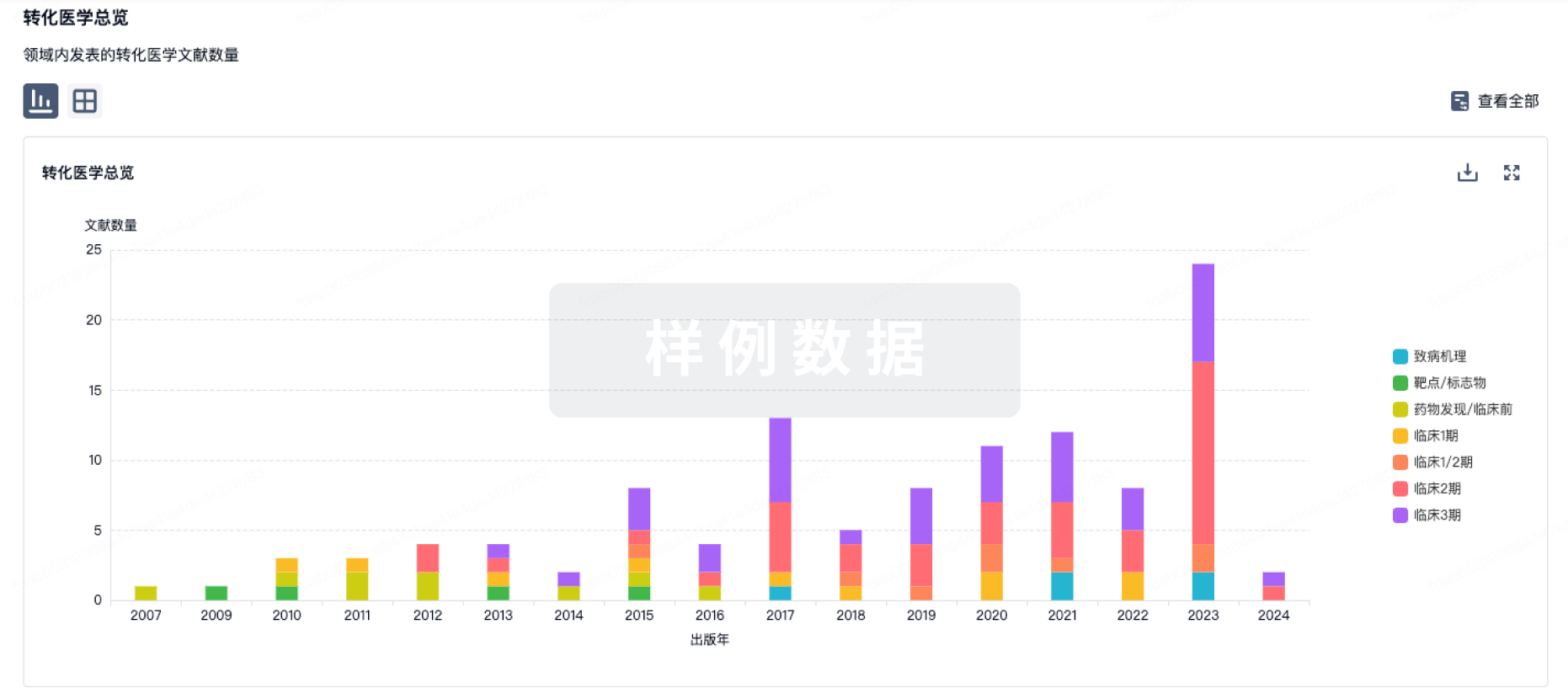
转化医学
使用我们的转化医学数据加速您的研究。
登录
或
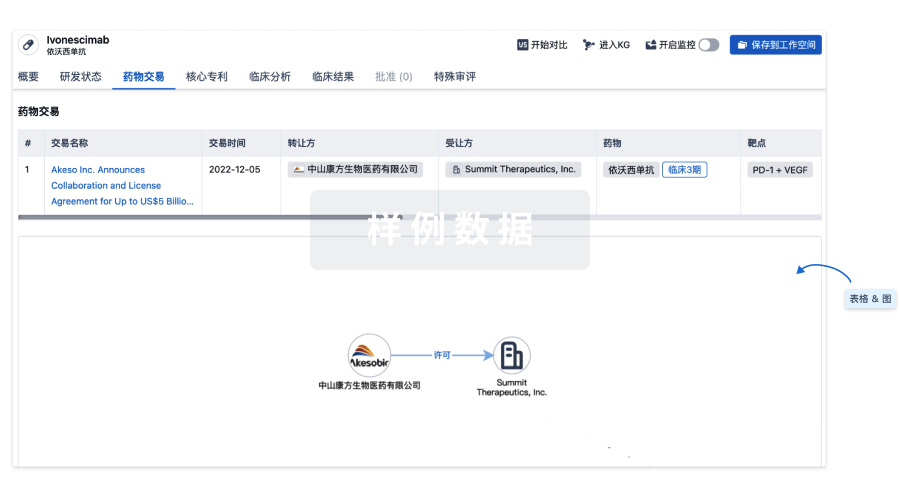
药物交易
使用我们的药物交易数据加速您的研究。
登录
或
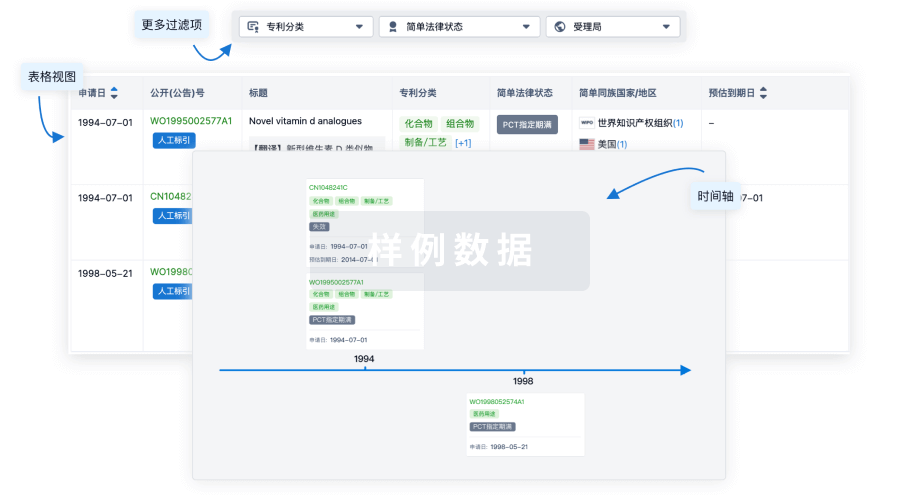
核心专利
使用我们的核心专利数据促进您的研究。
登录
或
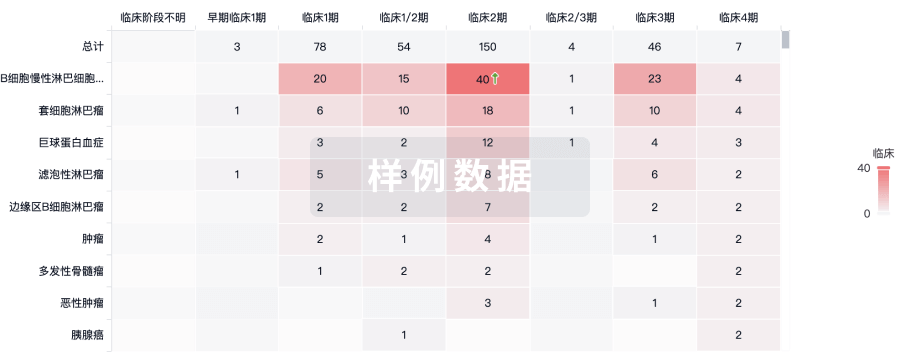
临床分析
紧跟全球注册中心的最新临床试验。
登录
或
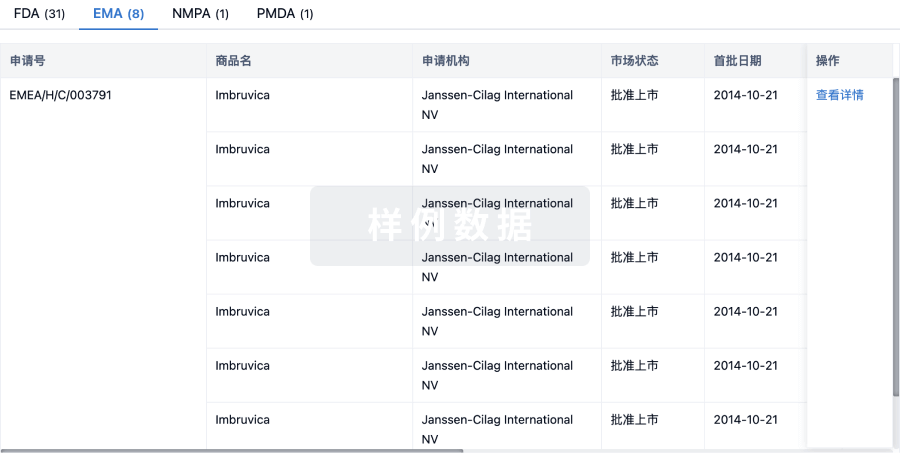
批准
利用最新的监管批准信息加速您的研究。
登录
或
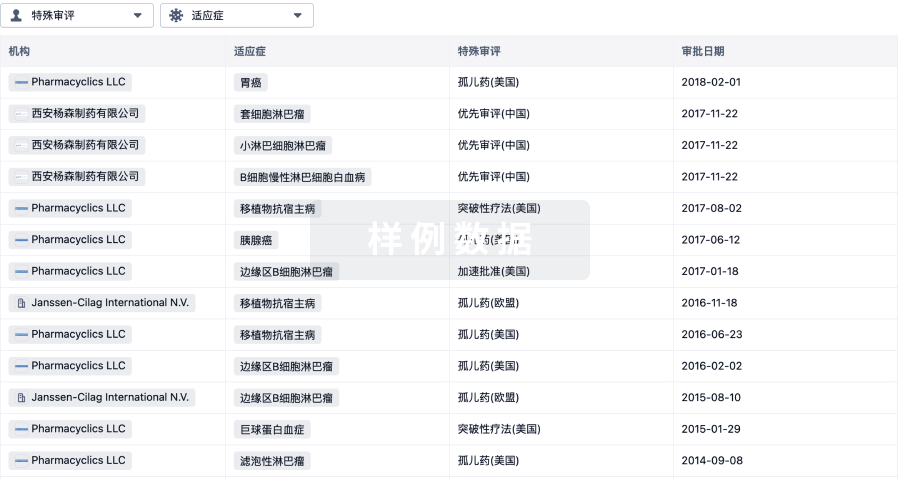
特殊审评
只需点击几下即可了解关键药物信息。
登录
或
提出任何生物医药研究问题
让每一步生物医药决策都精准制胜
基于十亿级生物数据与全球情报的精准 AI,赋能早期药物发现
立即开始免费试用!
智慧芽新药情报库是智慧芽专为生命科学人士构建的基于AI的创新药情报平台,助您全方位提升您的研发与决策效率。
立即接入生物医药数据包
智慧芽新药库数据也通过智慧芽开放平台,以MCP或API服务形式对外开放。立即使用我们的MCP服务定制您的LLM智能体。
生物序列数据库
生物药研发创新
免费使用
化学结构数据库
小分子化药研发创新
免费使用